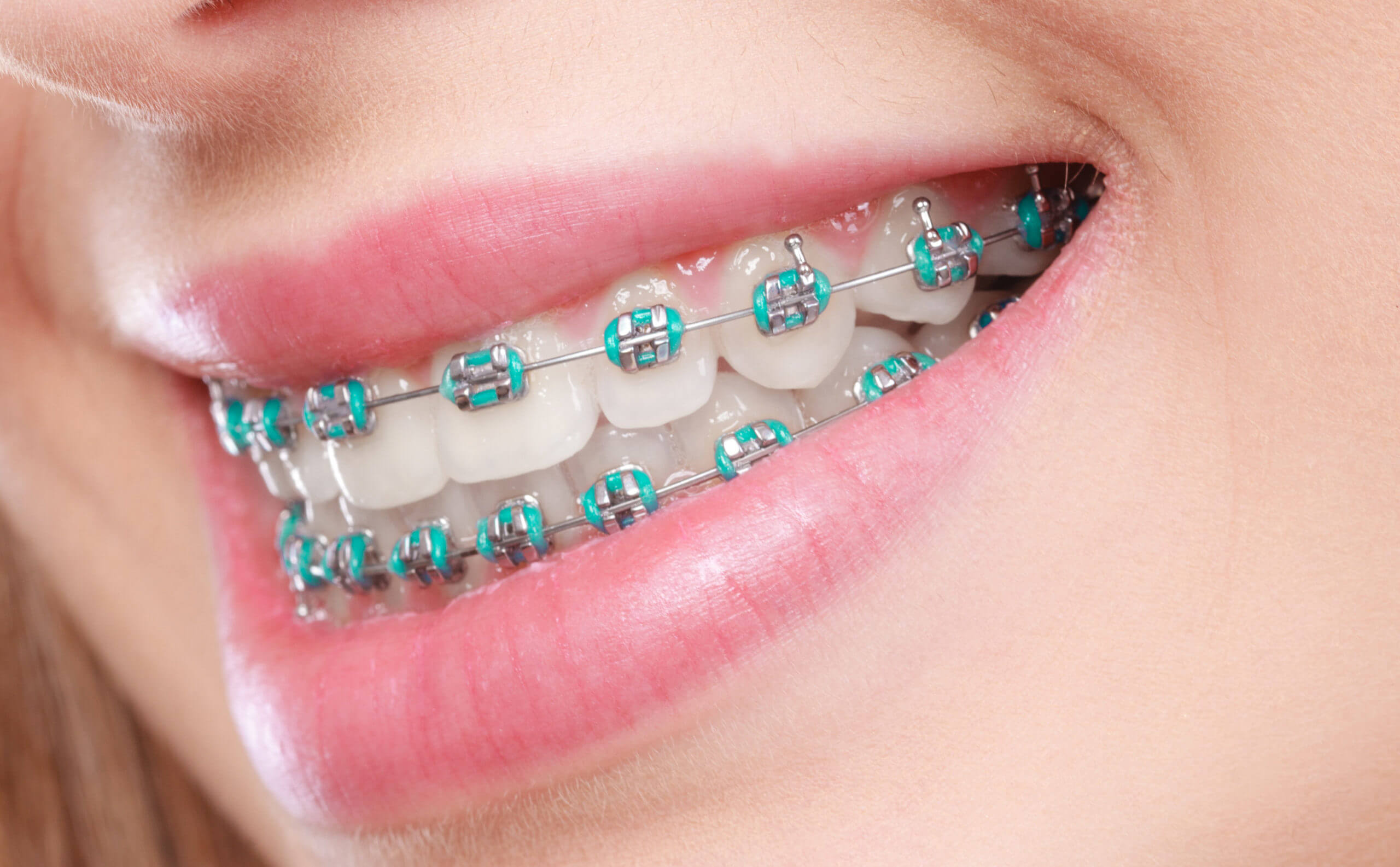
Adults can choose from four main types of braces: traditional metal braces, ceramic (clear) braces, self-ligating braces and lingual braces placed behind the teeth. Metal braces are usually the most affordable and handle the most complex cases. Ceramic braces blend in with your teeth. Self-ligating braces use a sliding clip instead of elastic ties and may shorten treatment for some patients. Lingual braces are nearly invisible but cost more and can take time to get used to. Most adults wear braces for about 12 to 24 months, depending on the case. At Voss Dental in Houston, braces are provided by orthodontist Dr. Bernard Boback, a Harvard-trained dentist who completed his orthodontic residency at UCLA.
Why Do More Adults Get Braces Today?
Adult orthodontics is more common than ever. Modern braces are smaller and more discreet, and many adults now see straightening their teeth as an investment in both their smile and their health. Crooked or crowded teeth are harder to clean, which can lead to tooth decay, gum disease and uneven wear over time. Braces gently move teeth into better positions using steady, light pressure.
What Are the Main Types of Braces for Adults?
| Type | How it looks | Best for | Main drawbacks | Typical cost (U.S.) |
|---|---|---|---|---|
| Metal braces | Silver brackets and wires | Complex cases and tight budgets | Most visible, harder to clean | About $3,000 to $7,000 |
| Ceramic braces | Tooth-colored brackets | Adults who want a subtler look | Larger brackets, elastic ties can stain | About $4,000 to $8,000 |
| Self-ligating braces | Metal or clear brackets with built-in clips | Patients who want fewer adjustments | Wire still visible, higher cost | About $3,500 to $8,000 |
| Lingual braces | Hidden behind the teeth | Patients who want braces no one can see | Tongue irritation, speech changes, harder to clean | About $8,000 to $10,000 or more |
These are general national ranges, not Voss Dental quotes. Your cost is set at your consultation.
Traditional metal braces
Stainless steel brackets are bonded to the front of each tooth and connected with a thin archwire. Your orthodontist adjusts the wire at regular visits to guide your teeth into place. Today’s metal braces are smaller and lower profile than older designs.
Pros: Handle the most complex bite and alignment problems, work efficiently and usually cost the least.
Cons: More noticeable, can rub the cheeks and lips at first and require extra care to keep clean.
Ceramic braces
Ceramic braces work like metal braces but use clear or tooth-colored brackets, and the wire can be colored to blend in.
Pros: Discreet, durable and comfortable.
Cons: Cost more than metal braces, have slightly larger brackets and need strong daily hygiene, because the elastic ties can stain.
Self-ligating braces
Self-ligating braces use a small sliding door or clip to hold the wire instead of elastic bands.
Pros: Less friction on the teeth, no elastics to trap food and plaque and, in some cases, shorter treatment time.
Cons: Higher cost, a visible wire and mild irritation for a few days after placement or adjustment.
Lingual braces
Lingual braces are attached to the back of the teeth, facing the tongue, so they are almost invisible from the front.
Pros: Hidden from view and effective for most bite problems.
Cons: Can irritate the tongue, may affect speech at first and are harder to clean.
How Long Do Adults Wear Braces?
Most adults wear braces for about 12 to 24 months. Simple cases may finish sooner, while complex bite corrections can take longer. After braces come off, you will wear a retainer to keep your teeth from shifting back.
How Do I Choose the Right Braces?
Consider:
- How complex your case is. Severe crowding or bite problems often respond best to metal braces.
- How much visibility matters to you. Ceramic or lingual braces are less noticeable.
- Your budget. Metal braces typically cost the least.
- Your lifestyle. Some options need more cleaning time or more frequent visits.
Your orthodontist will review your teeth and bite and recommend the best fit. Learn more about braces at Voss Dental.
Does Insurance Cover Adult Braces?
Some dental plans include orthodontic benefits for adults, though coverage varies widely and often has a lifetime maximum. Our team can help you check your benefits and explore payment options on our insurance and financing page.
Money-saving tip: Some patients choose clear brackets on the most visible upper front teeth and metal brackets elsewhere to balance looks and cost.
How Do I Care for My Teeth With Braces?
- Brush after meals and floss daily with a threader or water flosser
- Avoid hard, sticky and chewy foods that can break brackets
- Limit staining foods and drinks if you have ceramic braces
- Keep all adjustment visits and regular cleanings
- Wear your retainer as directed after treatment
Why Choose Voss Dental for Adult Braces?
Dr. Bernard “Dr. Bernie” Boback earned his DMD from Harvard School of Dental Medicine, completed his orthodontics residency at UCLA School of Dentistry and holds a master’s degree in oral biology. Voss Dental also offers general, cosmetic and implant care under one roof. Meet our doctors.
Frequently Asked Questions
Am I too old for braces?
No. Healthy teeth can be moved at any age. Your gums and bone just need to be in good shape.
Do braces hurt?
You may feel pressure or soreness for a few days after braces are placed or adjusted. Over-the-counter pain relief usually helps.
Which braces are the least noticeable?
Lingual braces are hidden behind the teeth. Ceramic braces are the next most discreet option.
Can braces fix my bite as well as crooked teeth?
Yes. Braces can correct overbites, underbites, crossbites, crowding and gaps.
Schedule Your Orthodontic Consultation
Ready for a straighter smile? Visit Voss Dental at 9400 Westheimer Rd, Houston, TX 77063. New patients can call (346) 512-4267, and current patients can call (713) 322-8811. You can also book online.